Naadam Festival in Mongolia: What to Expect, Dates & Tips
The Steppe Storyteller
Writer
Every summer, Mongolia comes alive with color, competition, and centuries-old tradition during the Naadam Festival which is the country’s most celebrated cultural event. Often called “The Three Manly Games,” Naadam is more than just a festival. It’s a powerful expression of identity, history, and nomadic spirit.
What Is Naadam?
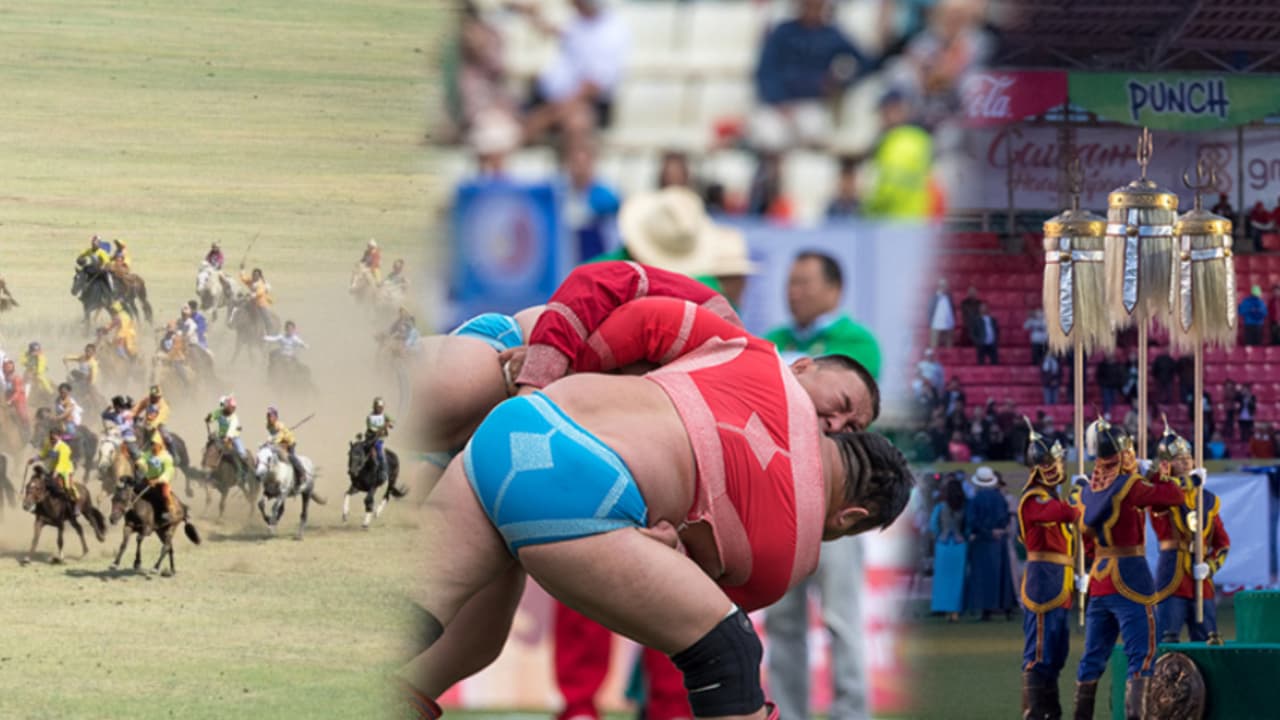
Naadam is Mongolia’s national festival, held every year from July 11–13, with the largest celebrations taking place in Ulaanbaatar. The festival coincides with the anniversary of Mongolia’s independence and showcases the country’s most iconic traditions:
- Wrestling
- Horse racing
- Archery
These three sports date back centuries and were originally used to train warriors during the time of the Mongol Empire.
The Opening Ceremony:
Naadam begins with an elaborate opening ceremony in the national stadium, featuring:
- Traditional music and dance
- Colorful costumes
- Cultural performances
- A parade of athletes
The Three Manly Games
Mongolian Wrestling (Bökh Wrestling)
Wrestling is the most prestigious Naadam sport. There are no weight classes, and hundreds of wrestlers compete in an elimination-style tournament.
Wrestlers wear open-chested jackets (zodog), Tight shorts (shuudag), and traditional boots. The goal is to force your opponent to touch the ground with any part of the body other than the feet. Strength, strategy, and balance are everything.
Horse Racing:
Unlike Western-style racing, Mongolian horse races are long-distance endurance events across open steppe landscapes. The sight of hundreds of horses galloping across the horizon is simply unforgettable.
What makes it unique:
- Distances range from 15 to 30 km
- Riders are children (ages 5–13)
- Horses are judged for stamina, not just speed
Archery:
Archery at Naadam is a display of skill, focus, and calm. Archers use traditional composite bows to shoot at small targets made of leather rings. Both men and women compete, making it one of the most inclusive events of the festival. There are three main styles of archery practiced in Mongolia, each with its own traditions and rules.: Khalkha, Uriankhai, and Buriat. Khalkha Archery is the most popular form of the three. Men and women both compete (women shoot 20 arrows at 60m; men shoot 40 arrows at 75m). Targets are small leather cylinders on the ground, and a hit only counts if the target visibly moves.
Beyond the Games:
Naadam is not just about sport. It’s also a time for:
- Family gatherings
- Traditional food (Khuushuur)
- Music and dancing
- Wearing traditional clothing (deel)
Across the country, smaller local Naadam festivals take place in towns and provinces, offering a more intimate and authentic experience.
Why Visit Naadam?
For travelers, Naadam offers a rare opportunity to witness Mongolia at its most vibrant. You’ll experience:
- Living nomadic traditions
- National pride and celebration
- Unique sporting events found nowhere else
- A deep connection between people, land, and history
Whether you attend the grand event in Ulaanbaatar or a quieter rural festival, Naadam leaves a lasting impression.
Travel Tips for Naadam
- Book early. It’s the busiest time of year
- Arrive a few days before to adjust and explore
- Expect crowds in the capital
- Consider a going to a countryside Naadam for a more relaxed and authentic experience
- Bring sun protection. July will be hot.
If you want to truly understand Mongolia, there is no better time to visit than during the Naadam Festival.
About the Author
The Steppe Storyteller is a dedicated travel writer who specializes in sharing enduring traditions, stunning landscapes, and nomadic heritage of Mongolia. From the cultural pulse of Ulaanbaatar to the sweeping dunes of the Gobi Desert and the open steppe where herding families maintain centuries-old ways of life, the Storyteller offers insight grounded in cultural understanding and field experience. Each article aims to lead travelers beyond surface impressions, providing thoughtful context, practical knowledge, and a deeper appreciation of Mongolia.
You might also like
View all tips
Photography Tips for Mongolia’s Landscapes
Mongolia offers photographers an unparalleled opportunity to document diverse ecosystems, including rolling grasslands and shimmering alpine lakes. To ensure you have a successful adventure, consider these essential landscape photography tips.
Mongolian Food Explained: What You’ll Actually Eat on Tour
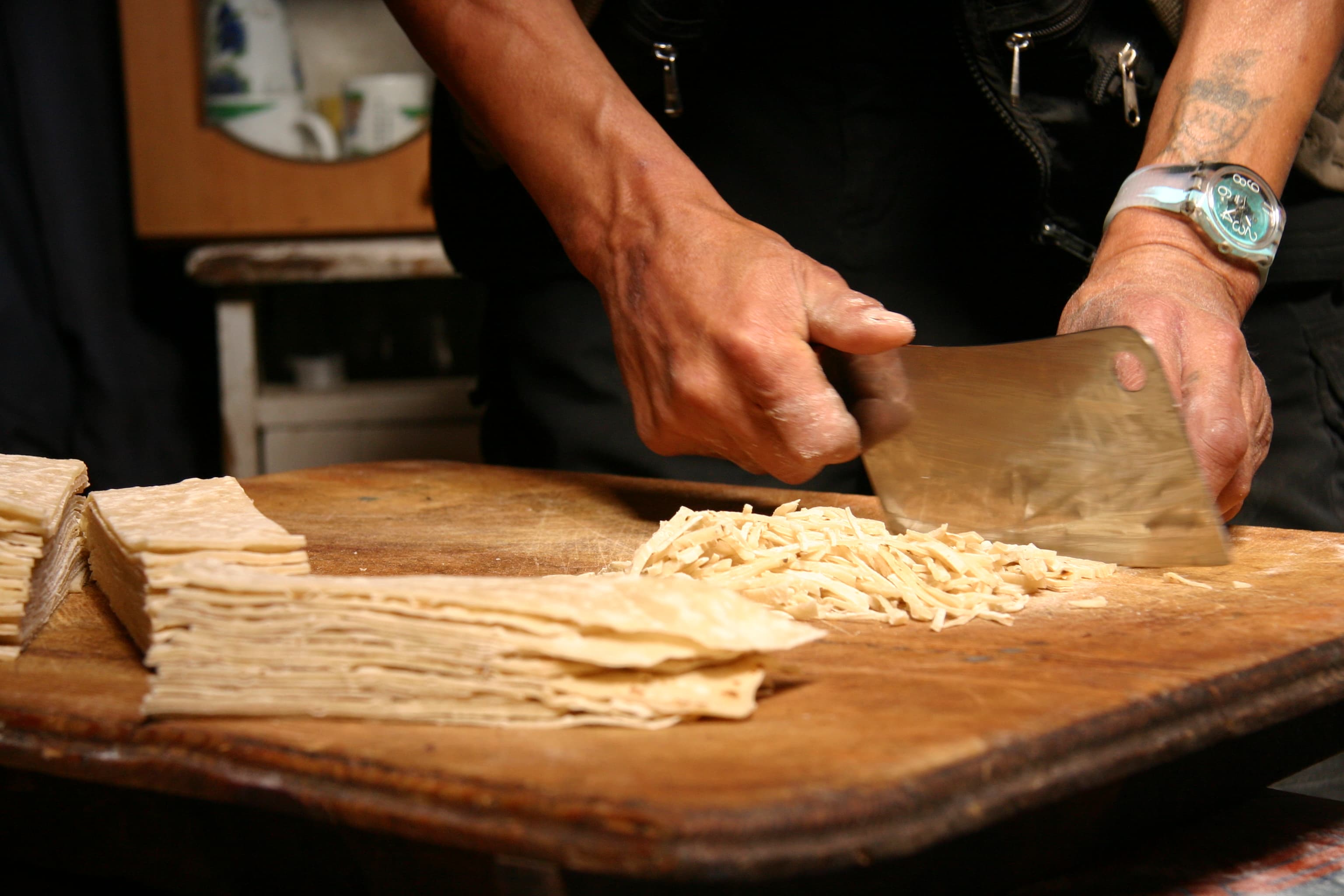
Traveling across Mongolia’s endless plains and the expansive Gobi Desert, food becomes more than mere sustenance, it’s a window to see into nomadic life and centuries-old traditions. Mongolian cuisine is filling, simple, and deeply tied to the land and is shaped by a lifestyle where livestock is central and meals must fuel long days in rugged terrain. Here’s what you’ll actually experience on your journey.
Mind Your Manners: Visiting Mongolia Respectfully
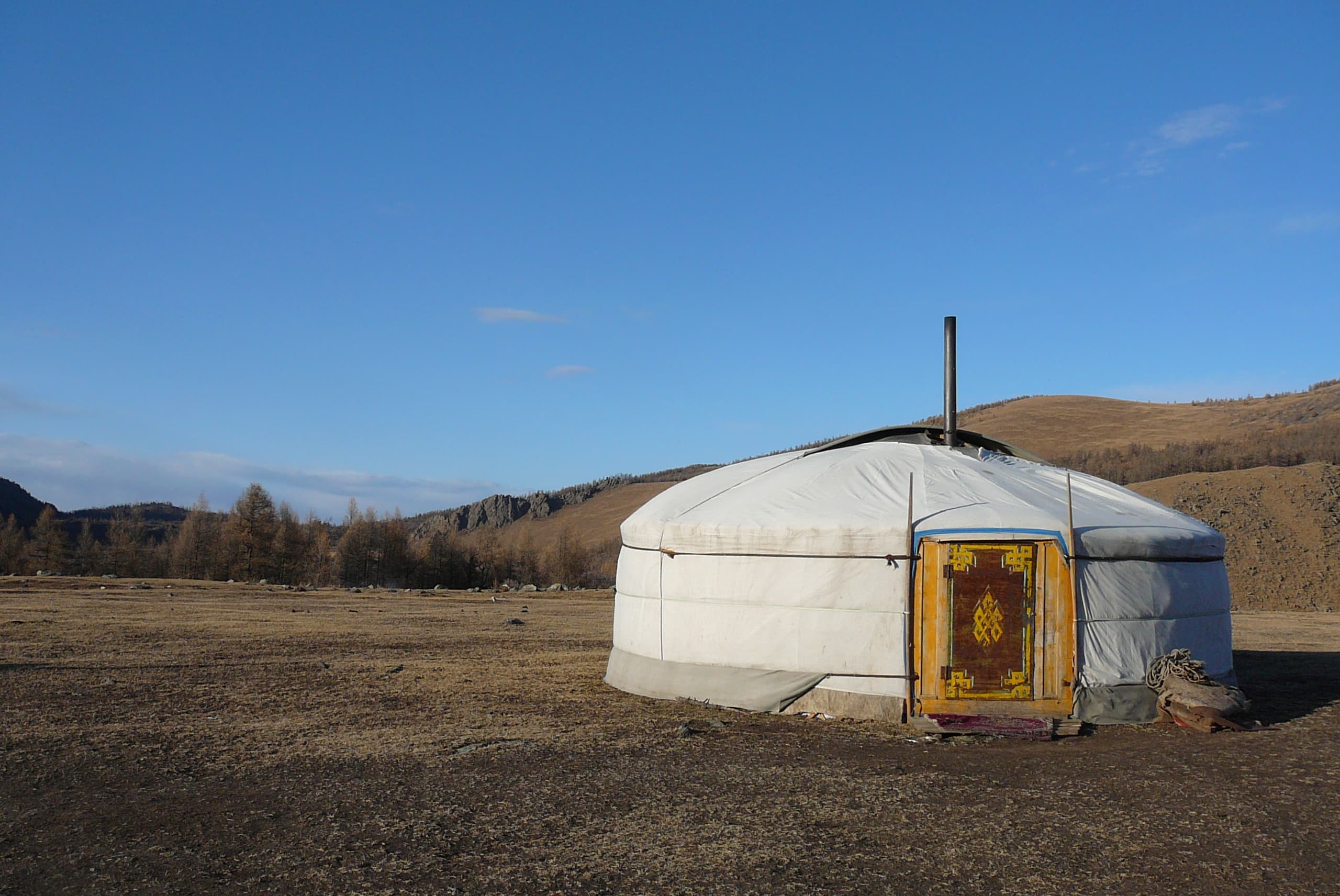
Traveling to Mongolia offers a chance to experience vast landscapes, nomadic traditions, and warm hospitality. As with any destination however, understanding local customs is essential for respectful and meaningful interactions. Mongolian culture is deeply rooted in centuries-old traditions, and even the smallest gestures can carry great significance. Here are some key cultural “do’s and don’ts” to keep in mind during your travels.