
Mongolian Food Explained: What You’ll Actually Eat on Tour

The Steppe Storyteller
Writer
Traveling across Mongolia’s endless plains and the expansive Gobi Desert, food becomes more than mere sustenance, it’s a window to see into nomadic life and centuries-old traditions. Mongolian cuisine is filling, simple, and deeply tied to the land and is shaped by a lifestyle where livestock is central and meals must fuel long days in rugged terrain. Here’s what you’ll actually experience on your journey.
- Buuz: Steamed dumplings filled with mutton or beef, seasoned with onion and salt. They’re the classic Mongolian comfort food, especially during the Tsagaan Sar Festival.
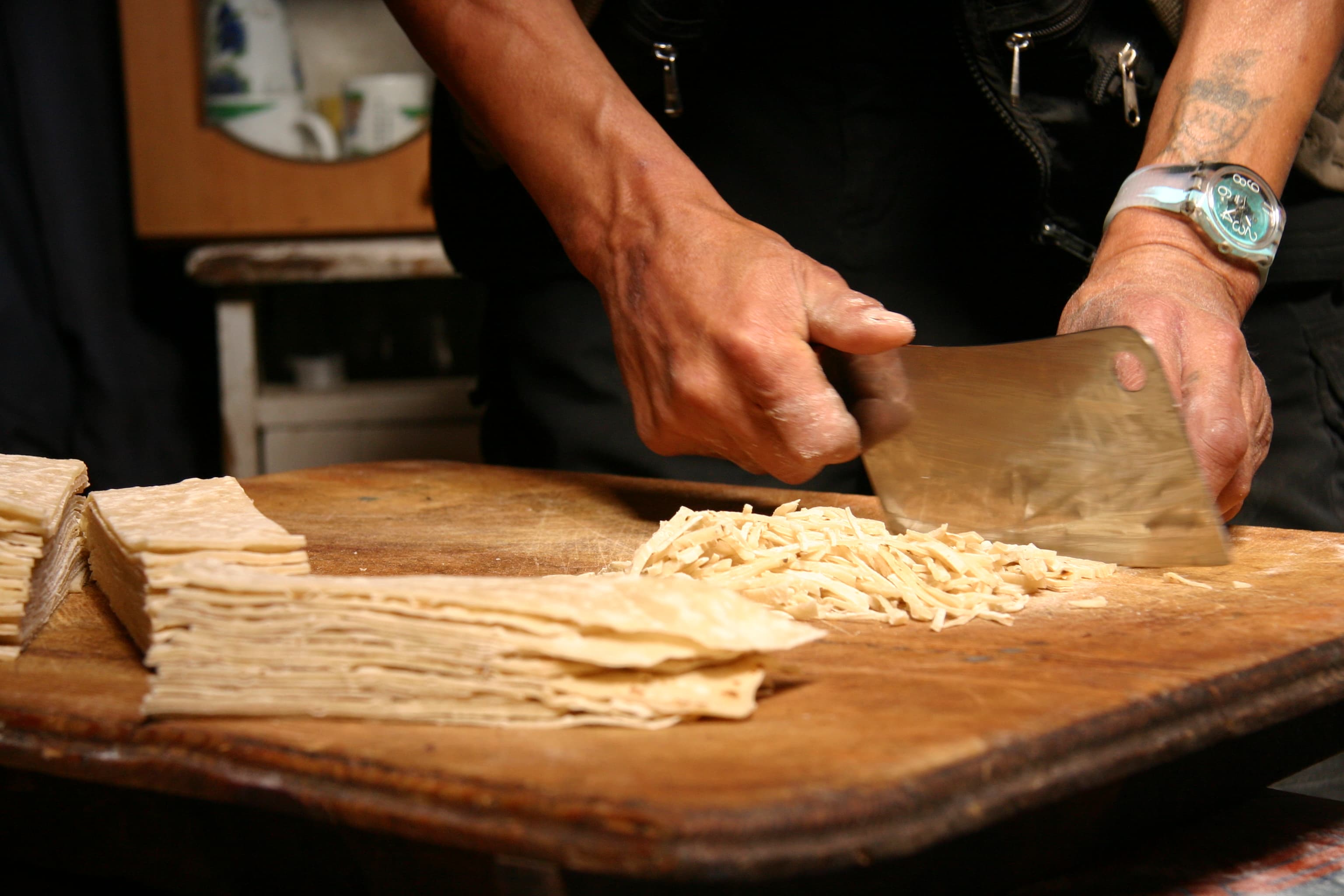
- Khuushuur: These deep-fried meat pies with golden shells are perfect for eating on the go. Khuushuur is the kind of handheld treat you’ll crave while wandering Mongolia’s festivals such as the Naadam Festival. Tsuivan: A stir-fried noodle dish with meat and vegetables, offering a filling balance of carbs and protein. Difficult to imagine any roadside eateries not having these on the menu.
- Khorkhog: A celebratory dish where meat is cooked with hot stones inside a sealed container, creating tender, smoky meat.
- Boodog: Much like khorkhog, the meat is cooked inside an animal skin (typically goat), which infuses it with a distinct flavor and texture.
- Chanasan Makh: Chanasan Makh is a traditional Mongolian dish of simply boiled mutton, lightly seasoned with salt and served on a large plate. In keeping with tradition, diners share a knife, or multiple knives, to slice strips of meat directly from the bone and share with others at the table. Nomadic families rely heavily on livestock, so dairy is everywhere:
- Airag: Fermented mare’s milk, slightly sour and lightly alcoholic, and often offered as a gesture of hospitality. Don’t worry, no one expects you to down the whole bowl in one sitting!
- Aaruul: Think of it as Mongolia’s traditional version of an energy bar: Rugged, portable, and deeply tied to nomadic life. Made by curdling milk from cows, yaks, goats, or even camels, the curds are pressed, shaped, and left to dry under the sun until they harden into chewy, sometimes rock-solid bites.
What to Expect
Meals are generous, meat-heavy, and often communal. Vegetables are less common in rural areas, but you’ll certainly find more variety in restaurants in Ulaanbaatar. Dining with locals in a ger, under the same roof certainly makes it a highlight: Expect warm hospitality and dishes that reflect Mongolia’s rugged spirit.
Traveler’s Tip: Embrace the simplicity. Mongolian food isn’t about fancy presentation—it’s about nourishment, tradition, and sharing with others. Trying buuz in a family ger or sipping airag under the vast sky is as much a cultural experience as it is a culinary one.
About the Author
The Steppe Storyteller is a dedicated travel writer who specializes in sharing enduring traditions, stunning landscapes, and nomadic heritage of Mongolia. From the cultural pulse of Ulaanbaatar to the sweeping dunes of the Gobi Desert and the open steppe where herding families maintain centuries-old ways of life, the Storyteller offers insight grounded in cultural understanding and field experience. Each article aims to lead travelers beyond surface impressions, providing thoughtful context, practical knowledge, and a deeper appreciation of Mongolia.
You might also like
View all tipsNo related tips found.